

The 2030 World Cup final between ambition and the official decision.. Why is the Hassan II Stadium topping the discussion?
MEDI7 TV
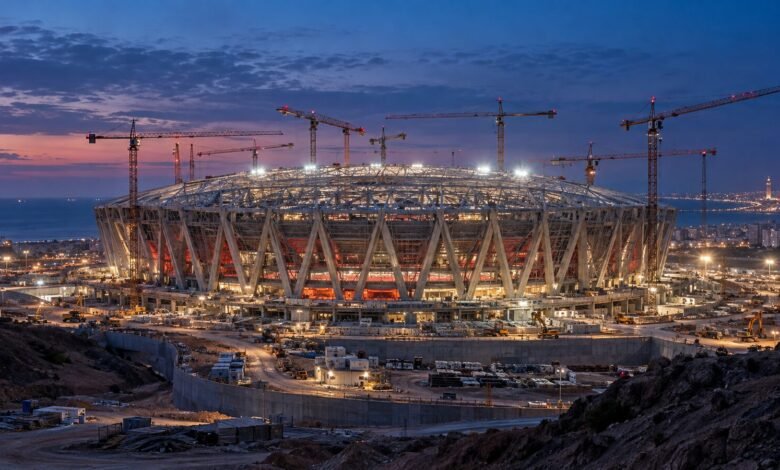
The final of the 2030 World Cup has returned to the forefront of sports and media discussion, coinciding with the progress of preparations in the three organizing countries: Morocco, Spain, and Portugal. At the heart of this discussion is the anticipated Grand Hassan II Stadium in the Benslimane region, as one of Morocco’s most prominent sports projects relied upon to enhance its presence in organizing global events.
The growing interest in the Moroccan stadium does not mean that the venue for the final match has been officially decided. The International Football Federation, the body authorized to make the decision, has not yet announced the name of the stadium that will host the final as of the preparation of this article. Therefore, a distinction must be made between legitimate ambition and circulating expectations, and the final organizational decision related to the specifications, progress of work, readiness of transportation, accommodation, security, and fan experience.
A stadium that transcends a single match
The importance of the project lies in its being part of a broader transformation of sports infrastructure in Morocco. The goal is not limited to hosting a major match, but includes building a facility that can be utilized after the World Cup, stimulating the local economy, creating job opportunities, and improving road connectivity and surrounding services. The success of this vision will be measured by the project’s ability to serve sports and the public for many years.
On the other hand, Spain has stadiums with a rich football history and great organizational experience, while Portugal is also working to present its facilities within the joint bid. This competition within a single partnership remains natural, as long as the decision is based on precise technical, commercial, and organizational criteria, and not solely on fan desire.
What does Morocco need to enhance its chances?
Morocco’s chances advance as long as construction sites adhere to the timeline and required quality, transportation solutions between airports, cities, and stadiums improve, and a safe and smooth reception experience for fans is prepared. Coordinated official communication also remains essential to protect the credibility of the joint bid and avoid presenting expectations as final decisions.
Whatever stadium hosts the final, Morocco’s participation in hosting the 2030 World Cup represents a historic opportunity to accelerate investment in infrastructure, sports, and tourism. The final decision awaits the official announcement from FIFA.
Reference sources: International Football Federation and recent international reports on the 2030 World Cup hosting bid.