

Back to school without extra pressure.. Seven practical steps to protect the family budget
MEDI7 TV
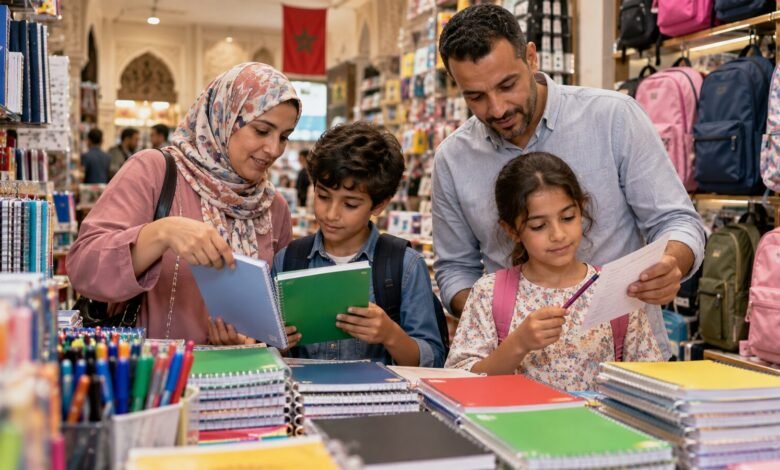
The start of the school year turns every year into a real test for the budgets of thousands of Moroccan families, due to the coincidence of expenses for books, notebooks, clothes, transportation, and registration. Between parents’ desire to provide the best conditions for their children and the abundance of commercial offers, a simple and well-thought-out list can prevent random spending and reduce pressure.
1. Start by inventorying what you have
Before heading to the stationery store, gather last year’s supplies. Many unused geometric tools, pencil cases, pencil boxes, and notebooks can be reused. Inventorying prevents buying the same item twice and teaches children the value of taking care of their belongings.
2. Divide the list into essential and deferrable
Not all purchases are required on the first day. Prioritize essential books and notebooks, and postpone non-essentials until the teacher confirms the need for them. Some lists change after the start of school, so thoughtful waiting helps avoid unnecessary expenses.
3. Compare price and quality together
The cheapest is not always the most economical, and the most expensive is not always the best. Compare between multiple stores, and inquire about the quality of paper, stitching, zippers, and warranty. For items used daily, a durable product may be less costly over the year than one that needs frequent replacement.
4. Set a clear budget ceiling
Write down the available amount and allocate it to books, supplies, clothes, and transportation. Leave a small margin for surprises, and don’t let temporary offers push you over the limit. Paying from a list is better than wandering and choosing under the influence of advertisements.
5. Buy shared items in calculated quantities
Relatives or neighbors can buy some shared supplies in larger quantities and split them, if it genuinely reduces the price. However, excessive stocking should be avoided, especially for materials the student may not need.
6. Involve the child in the selection
It is beneficial to explain the difference between need and want, and to allow the child to choose one or two items within a set budget. This way, they feel involved and learn simple principles of money management without turning shopping into family stress.
7. Keep receipts and monitor safety
The receipt facilitates exchanges in case of defects, and it is important to ensure the safety of children’s tools, avoiding products of unknown origin or with strong odors. When shopping online, verify the seller and do not send banking information via untrusted messages.
Planning does not eliminate the cost of starting the school year, but it makes it clearer and fairer. The most important thing is to provide the essentials for learning, not to engage in a competition of appearances and brands.